



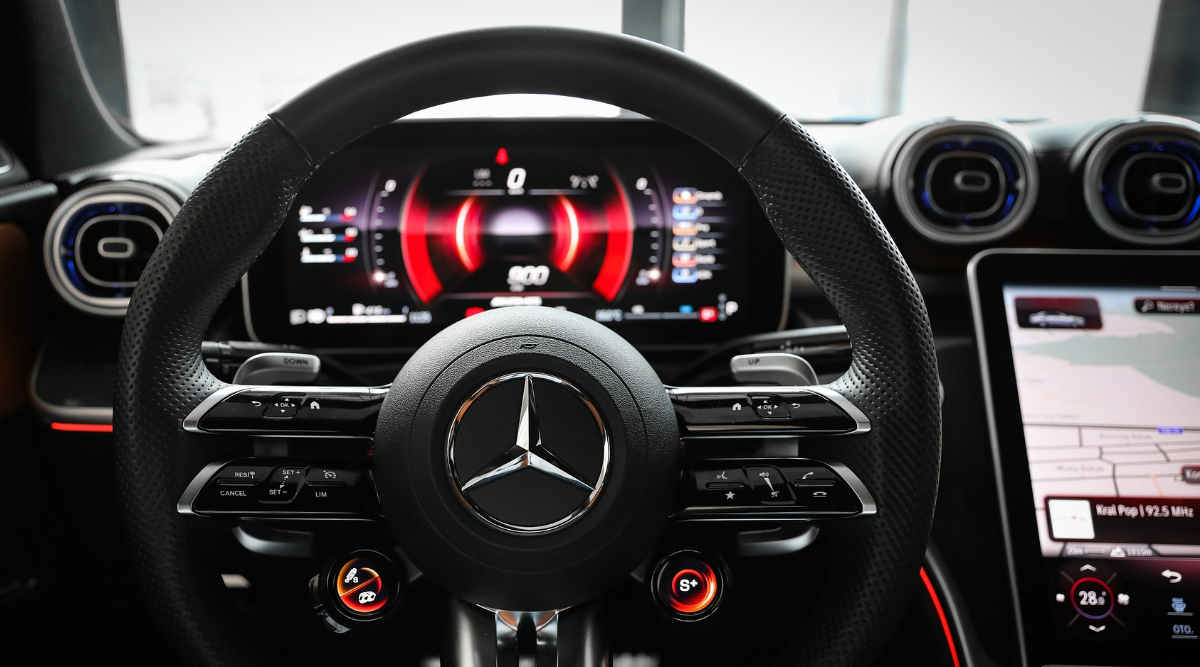
It is predicted that there will be 54 million self-driving cars, also called “autonomous vehicles” or “AVs,” on the road in the year 2024. As the number of self-driving cars on our roadways increases, the number of accidents involving these vehicles will increase as well.
Individuals have already suffered injuries and deaths in self-driving car accidents. This leaves many to wonder: Who is liable if you are involved in a car accident with an autonomous vehicle?
In this blog, we will discuss what to do if you are in a self-driving car accident and who may be held liable.
How Self-Driving Cars Are Reshaping the Legal Landscape Around Vehicle Accidents
As self-driving cars hit the roads in increasing numbers, they are not only revolutionizing transportation but also reshaping the legal landscape surrounding vehicle accidents.
A shift in liability
In traditional motor vehicle accidents, liability commonly falls on one or both drivers based on negligence. Human errors, such as distracted driving, are the main cause of most car accidents.
However, with autonomous vehicles, the focus shifts from driver negligence to potential errors in the vehicle’s technology. This prompts a reevaluation of who is liable when a car or truck accident occurs: the individual behind the wheel or the autonomous vehicle manufacturer.
Insurance adjustments
Most auto insurance policies are based on the premise of human error being the primary cause of car accidents. As self-driving vehicles reduce the amount of driver-related accidents, insurance companies may need to adapt their policies to reflect new risk assessments.
Insurance for self-driving cars may focus more on covering product liability and cyber risks, such as software hacks or data breaches.
Ethical and moral considerations
AVs operate based on complex algorithms that make real-time decisions, which can involve ethical and moral dilemmas, such as choosing between two potential accidents.
When an autonomous vehicle’s decision results in harm, it can be challenging to determine liability. Determining who is liable in such situations requires an understanding of the vehicle’s programming, introducing a new layer of complexity to personal injury law.
Who Is Liable in a Self-Driving Car Accident?
Self-driving cars use advanced technologies such as sensors, cameras, radar, and artificial intelligence (AI) to navigate and operate without direct human control.
Self-driving vehicles are usually categorized into 1 of 5 levels of automation:
- Level 0: No automation
- Level 1: Driver assistance
- Level 2: Partial driving automation
- Level 3: Conditional driving automation
- Level 4: Full driving automation
Self-driving car accident liability can vary significantly depending on the level of autonomy involved in the accident.
In many situations, liability may not rest solely on one party. Let’s take a look at how one or more of the following parties may be held liable in a self-driving car accident.
The driver
While self-driving vehicles aim to operate without human intervention, many current models still require a human driver to take over in certain scenarios. If the human operator of such a car fails to intervene when necessary, he or she may be liable for any resulting accidents.
This type of liability is similar to traditional car accident cases where driver negligence contributes to a crash.
The vehicle manufacturers
As vehicles become more autonomous, the responsibility for accidents is beginning to shift toward manufacturers.
If an AV crashes due to a malfunction in its software or hardware, the manufacturer could be held liable under product liability laws. For instance, the vehicle’s sensors could have failed to detect obstacles or the software made incorrect decisions that led to a collision.
Manufacturers could also be held liable if they fail to adequately test their vehicles or provide necessary updates to the car’s software, resulting in unsafe operating conditions.
The software developer
The software controlling an autonomous vehicle is crucial to its operation. Beyond the vehicle manufacturers, liability could extend to third-party companies that develop software or provide data essential for the autonomous.
If a software glitch or outdated mapping data leads to an accident, these developers could face legal repercussions.
Maintenance providers
Self-driving vehicles typically rely on network connectivity for real-time data and updates. If a car accident occurred due to a failure in the network provided by a telecommunications company, these entities could be held accountable.
Third parties
At times, external factors such as road conditions, actions of other drivers, or poor road maintenance may contribute to self-driving car accidents. Also, if the accident occurred in another state, it can add to the complexity of the situation.
In these situations, full or partial liability may be placed on third parties such as other drivers or government entities in charge of maintaining roadways.
What to Do If You Are Involved in a Car Accident With a Self-Driving Vehicle
If you are involved in an accident with a self-driving vehicle, it is important to know how to protect your rights and seek compensation for your injuries.
Consider the following recommendations of what to do if you find yourself in that situation:
- Seek medical attention. Assess yourself and any others involved for injuries. Call emergency services and prioritize getting medical help for anyone who needs it.
- Document the accident scene. Gather as much information as possible at the scene of the accident. Take photos or videos of all vehicles involved, any visible injuries, and the surrounding area.
- Identify the vehicle. Note the make, model, and license plate number of the autonomous car.
- Exchange information. Get the contact information of the operator of the self-driving car. If no one is present in the AV, contact the vehicle’s manufacturer or the company operating the self-driving service.
- Get a copy of the police report. Be sure to get the names and badge numbers of the officers who responded to the scene. Police reports will be valuable evidence when filing car accident claims.
- Contact a car accident lawyer. It can be challenging to identify liable parties and pursue compensation in self-driving car accident cases. It is recommended that you contact a personal injury lawyer with experience in handling cases involving autonomous vehicles.
- Understand the technology involved. Self-driving vehicles often have data logs. This information can provide important insights into the moments leading up to the car accident.
- Notify your insurance company. Your insurer should be notified of the incident as soon as possible. However, be careful not to say anything that could be taken as an admission of fault. It is in your best interest to let your personal injury attorney handle all communication with the insurers.
Contact Our Self-Driving Car Accident Lawyers Today
Determining liability in self-driving car accidents can be a complex process. Each accident needs to be carefully examined to identify the responsible parties, whether they are drivers, manufacturers, software developers, or another party.
Were you or a loved one injured in a car accident involving an autonomous vehicle? If so, our car accident lawyers are here to assist you. We can investigate your case, identify all liable parties, protect your legal rights, and help you recover the compensation you deserve.
Our law firm believes that everyone deserves skilled legal representation regardless of his or her current financial situation. For this reason, we take all car accident cases on contingency. You will not pay upfront costs or fees.
Call Hauptman, O’Brien, Wolf, & Lathrop at (402) 241-5020 or complete our contact form to schedule a free consultation, and someone will get in touch with you shortly. Your road to recovery begins today.


