



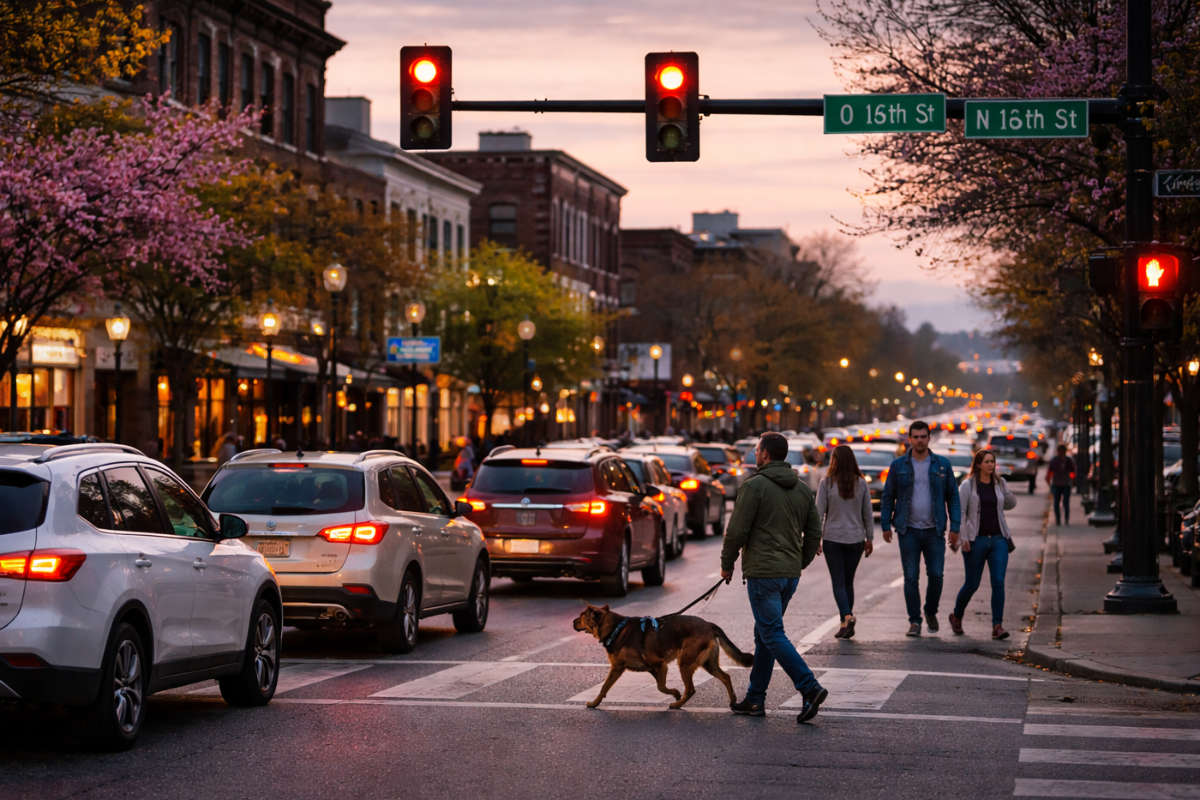
Lincoln is a growing city with a steady mix of commuter traffic, student drivers, commercial vehicles, and pedestrians. On any given day, thousands of cars move through its streets, highways, and intersections, many of them converging at the same high-risk points. When accidents happen, they are rarely random. They tend to occur in predictable locations shaped by traffic flow, road design, and human behavior.
Understanding where vehicle accidents happen most in Lincoln, NE, is more than a matter of curiosity. It can help drivers stay alert in known danger zones and help injury victims understand why crashes occur where they do. It also plays a role in how accident claims are investigated, evaluated, and resolved under Nebraska law.
Injured in a Lincoln motor vehicle accident? Reach out to our Lincoln car accident lawyers today. We’re available 24/7. Call us today at (402) 625-4358 or contact us online for a free consultation.
Why Certain Areas in Lincoln See More Crashes
Vehicle accidents cluster in specific areas because of how traffic systems interact with real-world driving habits. High speeds, frequent stops, merging lanes, and inconsistent driver attention create conditions where mistakes become costly.
Lincoln’s layout contributes to this pattern. The city combines wide arterial roads with residential streets, university traffic, and highway access points. During peak hours, these systems overlap. Morning and evening commutes, football game weekends, and winter weather amplify the risk.
Common contributing factors include:
- Heavy traffic volume during rush hours
- Complex intersections with multiple turn lanes
- Inconsistent speed limits
- Construction zones and temporary traffic changes
- Distracted or unfamiliar drivers
From a legal perspective, location matters because it influences fault analysis. Certain roads are known for rear-end collisions, while others see more T-bone crashes or pedestrian accidents. Each pattern carries different injury risks and liability questions.
High-Risk Intersections in Lincoln, NE
Intersections are consistently the most common sites for serious vehicle accidents. They require drivers to process signals, signage, pedestrians, and other vehicles simultaneously. When one element fails, collisions happen fast.
In Lincoln, intersections along major corridors see a disproportionate number of crashes. These include areas where traffic volume is high and drivers are making frequent turns or lane changes.
Examples of higher-risk intersections often include:
- O Street intersections, especially near downtown and campus areas
- Cornhusker Highway crossings
- North 27th Street intersections
- South 48th Street and Highway 2 access points
- Areas near shopping centers and large parking lot entrances
Many intersection accidents involve left-turn collisions or red-light violations. These crashes often lead to disputes about timing, right of way, and signal changes. Video evidence, witness statements, and traffic signal data can become critical during claim investigations.
Under Nebraska’s modified comparative negligence system, even partial fault can affect compensation. Intersection cases often hinge on small details, which is why thorough investigation matters.
Major Arterial Roads and Traffic Corridors
Lincoln’s arterial roads are designed to move traffic efficiently across the city. Unfortunately, efficiency often comes at the cost of safety when drivers exceed speed limits or fail to adjust to traffic conditions.
Roads like O Street, Cornhusker Highway, and 27th Street combine higher speeds with frequent access points. Drivers are entering and exiting traffic constantly, which increases the likelihood of side-impact and rear-end collisions.
Arterial road crashes are often caused by:
- Speeding or aggressive driving
- Failure to yield when entering traffic
- Sudden stops and congestion
- Distracted driving in heavy traffic
These accidents tend to produce more severe injuries due to higher speeds. Insurance companies often scrutinize these cases closely, especially when they involve significant vehicle damage or extended medical treatment.
From a claims standpoint, arterial road accidents can involve multiple liable parties, including other drivers or, in some cases, entities responsible for road design or maintenance.
Highway 2 and Interstate Access Areas
Highways and interstate access points present a different set of risks. In Lincoln, Highway 2 and its surrounding on-ramps and off-ramps are common sites for high-speed collisions.
These areas require drivers to merge, accelerate, or decelerate quickly. Mistakes happen when drivers misjudge speed, fail to yield, or become distracted during lane changes.
Common crash scenarios in these areas include:
- Rear-end collisions during congestion
- Sideswipes during merges
- Loss of control at higher speeds
- Multi-vehicle chain-reaction crashes
Highway accidents often result in more serious injuries, including traumatic brain injuries and spinal damage. They also tend to complicate claims because multiple vehicles and insurers may be involved.
In Nebraska, preserving evidence quickly after a highway crash is critical. Skid marks fade, debris is cleared, and vehicle data can be lost if not secured promptly.
Areas Near the University of Nebraska–Lincoln
College areas present unique traffic challenges. Near the University of Nebraska–Lincoln, drivers encounter a mix of pedestrians, cyclists, buses, and inexperienced drivers. Game days and special events add another layer of complexity.
Accidents in these areas often involve:
- Pedestrians crossing outside designated crosswalks
- Drivers unfamiliar with local traffic patterns
- Distracted driving near crowded areas
- Bicycles sharing narrow lanes
Pedestrian and bicycle accidents tend to cause severe injuries even at lower speeds. These cases often involve complex liability questions, especially when visibility, signage, or traffic controls are involved.
Nebraska law allows injured pedestrians and cyclists to pursue compensation, but insurance companies may attempt to argue contributory fault. Location-specific details often determine how these cases unfold.
Construction Zones and Temporary Traffic Changes
Construction zones are temporary, but their impact on accident risk is significant. Lane shifts, reduced speed limits, and confusing signage can lead to sudden braking and unexpected maneuvers.
In Lincoln, construction-related accidents often occur when drivers fail to adjust or when signage is unclear. These crashes may involve private contractors, government entities, or multiple drivers.
Construction zone accidents may be caused by:
- Poorly marked lane changes
- Reduced visibility
- Inconsistent traffic control
- Driver impatience or speeding
From a legal standpoint, construction zone accidents can be more complex. Determining liability may require reviewing contracts, traffic control plans, and compliance with safety regulations.
These cases often take longer to resolve due to additional investigation, but thorough preparation can make a meaningful difference in outcomes.
Residential Areas and School Zones
While major roads get much of the attention, residential streets and school zones are not immune to serious accidents. Lower speed limits do not always prevent injuries, especially when children or pedestrians are involved.
Common issues in these areas include:
- Failure to stop at residential intersections
- Speeding through school zones
- Backing accidents in driveways or alleys
- Distracted driving in familiar neighborhoods
Accidents involving children or pedestrians carry higher emotional and legal stakes. Insurance companies may contest liability aggressively, even when injuries are severe.
Understanding local ordinances, signage requirements, and traffic patterns can be critical in these cases. Documentation and witness accounts often play an outsized role.
How Accident Location Affects Injury Claims in Lincoln
Where an accident happens influences how a claim is investigated and resolved. Location affects:
- Likely causes of the crash
- Types of injuries involved
- Availability of witnesses or video footage
- Jurisdiction and court procedures
For example, intersection crashes often rely on traffic signal data and witness testimony, while highway crashes may require accident reconstruction and vehicle data analysis.
Settlement versus trial decisions are also influenced by location. Clear liability at a known high-risk intersection may encourage settlement, while contested fault on a busy arterial road may push a case toward litigation.
Understanding these dynamics helps injured victims make informed decisions rather than reacting to insurance pressure.
What to Do If You Are Injured in a High-Risk Area
If you are injured in a vehicle accident in one of Lincoln’s high-risk locations, early action matters. Evidence can disappear quickly, and insurance companies often move fast to protect their interests.
Key steps include:
- Seeking immediate medical care
- Reporting the accident properly
- Documenting the scene and surroundings
- Preserving any available video or witness information
- Consulting with an experienced personal injury attorney
Even small details about location, traffic flow, and road conditions can shape the outcome of a claim. Delays or assumptions can weaken your position.
Contact Hauptman, O’Brien, Wolf & Lathrop, LLC After a Lincoln Vehicle Accident
If you were injured in a car, truck, motorcycle, bicycle, or pedestrian accident in Lincoln, you do not have to handle the aftermath alone. With over 268 years of combined legal experience, Hauptman, O’Brien, Wolf & Lathrop, LLC is equipped to investigate accidents in high-risk areas, preserve critical evidence, and pursue fair compensation.
A free case review can help you understand your options and next steps. If questions about fault, location, or insurance are standing in your way, contact Hauptman, O’Brien, Wolf & Lathrop, LLC, and get experienced guidance focused on protecting your rights and safeguarding your future.


