


Car accidents are stressful enough on their own. When the other driver suddenly changes their version of events after the crash, the situation becomes even more complicated. This scenario is more common than many people realize. A driver may initially admit fault at the scene, then later tell the insurance company a completely different story. When that happens, your ability to recover compensation can depend heavily on the evidence and legal strategy used to support your claim.
If you were injured in a crash and the other driver later changed their story, it can put your claim at risk. Reach out to a car accident lawyer at Hauptman, O’Brien early, so we can help protect your rights and preserve critical evidence. We’re available 24/7 at (402) 241-5020, or you can contact us online to schedule a free consultation.
Why Drivers Sometimes Change Their Story After an Accident
Immediately after a crash, drivers often react emotionally. Some people apologize or acknowledge responsibility without fully understanding what happened. Later, once insurance companies become involved, their statements may shift.
There are several reasons why another driver might change their account of the accident:
- They speak with their insurance company and are advised to avoid admitting fault
- They realize their insurance premiums may increase
- They fear legal or financial consequences
- They misunderstand how the crash occurred
- They hope to avoid liability for injuries or property damage
In some cases, the change may not even be intentional. Stress, confusion, or incomplete recollection can lead to inconsistencies in a person’s memory. However, from a legal standpoint, conflicting statements can significantly complicate a personal injury claim.
Insurance companies closely examine these discrepancies. If two drivers tell different stories, the insurer will rely heavily on physical evidence, police reports, and witness accounts to determine liability.
For injured drivers, this means documentation becomes critical.
The Importance of Evidence When Stories Conflict
When drivers disagree about what happened, evidence becomes the most powerful tool in determining fault. Courts and insurance companies rarely rely on statements alone.
Instead, investigators examine objective information that supports or contradicts each version of events. The stronger the evidence, the harder it becomes for someone to alter their story successfully.
Important forms of evidence often include:
- Photographs of the accident scene, vehicle position, and vehicle damage
- Police accident reports
- Witness statements from bystanders or passengers
- Traffic camera or surveillance footage
- Vehicle data from onboard electronic systems
- Medical records documenting injuries
For example, suppose a driver initially admits they ran a red light but later claims the light was green. Traffic camera footage or witness testimony may quickly resolve the dispute.
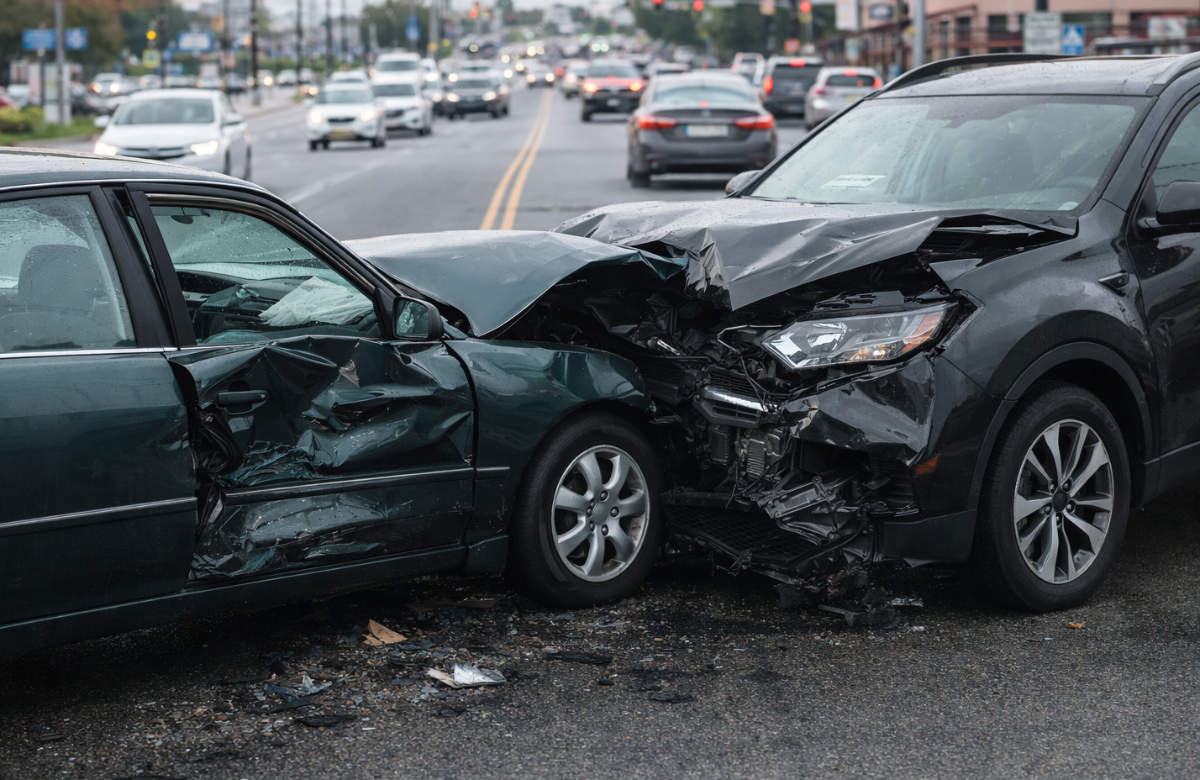
Physical damage patterns can also reveal a great deal about how a crash occurred. Accident reconstruction specialists sometimes analyze vehicle positioning, impact angles, and braking patterns to clarify the sequence of events.
The takeaway is simple; the more evidence collected early, the stronger your position becomes if the other driver changes their story later.
What to Do Immediately After a Car Accident to Secure Evidence
Even before you know whether the other driver might alter their account, certain steps can protect your claim. These actions create a clear record of what happened and preserve valuable evidence.
After a car accident, consider taking the following steps whenever possible:
- Call law enforcement so that an official accident report can be created
- Take photographs of vehicle damage, skid marks, road conditions, and traffic signals
- Obtain contact information for witnesses
- Exchange insurance and driver information with the other driver
- Seek medical attention, even if injuries appear minor
- Avoid discussing fault or assigning blame at the scene
Police reports often play a key role in accident investigations. Officers typically document statements from drivers and witnesses shortly after the crash, when memories are fresh.
If a driver later changes their story, the original statements recorded in the report may contradict the revised version. That discrepancy can become important during insurance negotiations or court proceedings.
In addition, early medical documentation helps connect injuries directly to the accident. This is especially important for conditions such as traumatic brain injuries or soft tissue damage, which sometimes appear hours or days after a collision.
How Insurance Companies Evaluate Conflicting Statements
Insurance companies handle thousands of accident claims each year. When drivers provide conflicting accounts, insurers rely on investigative procedures to determine liability.
The process typically involves several steps. First, adjusters review the accident report, photographs, and initial statements from both drivers. They then analyze physical evidence and may contact witnesses to verify what occurred.
Insurance companies also consider factors such as:
- Traffic laws and right-of-way rules
- Damage location on both vehicles
- Road conditions and weather
- Consistency between statements and physical evidence
For example, if one driver claims they were rear-ended while stopped at a light, but vehicle damage shows a side impact, the insurer may question that statement.
In Nebraska and Iowa, both states follow modified comparative negligence rules. This means a driver can recover compensation only if they are less than 50 percent responsible for the accident. Any assigned percentage of fault reduces the total recovery.
When stories conflict, insurance companies often attempt to assign partial fault to both drivers. This tactic reduces the amount they must pay. Having strong evidence and legal representation can help prevent unfair fault allocation.
How a Personal Injury Attorney Investigates These Disputes
When the other driver changes their story, an attorney’s investigation becomes essential. Personal injury lawyers examine the accident independently rather than relying solely on insurance company conclusions.
The legal process typically unfolds in stages.
Initial Case Review
During the consultation, the attorney reviews available evidence, medical records, and accident reports. They assess whether the other driver’s changing statements affect liability.
Evidence Collection
Attorneys often gather additional information, including:
- Surveillance or traffic camera footage
- Vehicle event data recorder information
- Cell phone records if distracted driving is suspected
- Additional witness statements
Accident Reconstruction
In more complex cases, experts may reconstruct the accident using physical evidence, engineering principles, and scene measurements.
Negotiation With Insurance Companies
Once liability becomes clearer, the attorney negotiates with insurers to seek fair compensation for medical bills, lost income, and other damages.
Litigation if Necessary
If negotiations fail, the case may proceed to court where evidence and testimony determine the outcome.
This structured process helps uncover the truth even when a driver attempts to revise their account of the crash.
Why Consistency and Documentation Strengthen Your Claim
Consistency matters in personal injury claims. When your statements remain stable and are supported by evidence, it becomes easier for insurers or courts to evaluate credibility.
In contrast, inconsistent statements can weaken a case. This is one reason why attorneys often advise accident victims to avoid making recorded statements to insurance companies before understanding their legal rights.
Documentation can strengthen your claim in several ways:
- It confirms the timeline of events after the accident
- It preserves physical evidence before conditions change
- It supports medical treatment related to injuries
- It creates a clear record that contradicts altered stories
For instance, photos taken immediately after the crash may reveal the position of vehicles, road markings, or debris patterns that later disappear. Witness contact information collected early may lead to testimony that confirms your version of events.
Personal injury claims often hinge on details. The clearer and more organized those details are, the more difficult it becomes for the other driver to rewrite the narrative.
When the Other Driver Changes Their Story, Hauptman O’Brien Can Help Protect Your Claim
If the other driver suddenly changes their story after a car accident, you do not have to face the situation alone. Disputed accident claims require careful investigation, strong evidence, and experienced legal advocacy. The attorneys at Hauptman, O’Brien Personal Injury Lawyers understand how insurance companies analyze conflicting statements and how to challenge inaccurate claims.
With more than 298 years of combined legal experience, Hauptman, O’Brien has represented injured drivers throughout Nebraska and Iowa, including Omaha, South Omaha, Bellevue, Lincoln, Council Bluffs, and Sioux City. Our legal team can investigate the accident, gather critical evidence, and work to ensure the truth is fully presented.
If a driver is trying to change the story after your crash, call Hauptman, O’Brien at (402) 241-5020 for a free case review and learn how our attorneys can help protect your rights and pursue the compensation you deserve.







This was the 1st time I’ve ever had to use this type of service. Hands down would recommend this team for all your injury needs. They were professional, made sure everything was understood and was by my side step by step. I really felt like they were in my corner at all times!
Kathryn Hartnett went above and beyond to meet my needs as a unexpected life change happened. Everyone from the front desk to the back where amazing! Thank you so much!