


In the moments after a car accident, the scene can feel overwhelming. Vehicles are damaged, emotions run high, and attention naturally turns to safety and medical concerns. Still, what happens during those first minutes often shapes everything that follows. One of the most overlooked yet powerful steps is gathering witness statements while memories are fresh and details are clear.
For drivers in Nebraska and Iowa, witness statements frequently become the difference between a smooth insurance claim and a prolonged dispute. Insurance companies rely heavily on third-party accounts, especially when fault is contested.
Understanding what to do and what not to do when speaking with witnesses can help protect your credibility and preserve evidence that may be critical later. If you are unsure what steps to take after the accident, call the motor vehicle accident attorneys at Hauptman O’Brien, or contact us online for a free consultation.
Why Witness Statements Matter More Than You Might Think
Witness statements provide an independent perspective on how an accident occurred. Unlike drivers involved in the crash, witnesses typically have no financial or legal stake in the outcome. That neutrality makes their observations particularly valuable to insurers, investigators, and courts.
In many cases, witness accounts help clarify disputed facts. They may confirm which driver had the right of way, whether someone was speeding, or if a driver appeared distracted before impact. These details are often difficult to prove through physical evidence alone.
Nebraska and Iowa both apply comparative fault principles. If insurers argue shared responsibility, credible witness statements can counter those claims. When cases move toward litigation, witness testimony may also influence whether a case settles or proceeds to trial. In short, witnesses help anchor your version of events in objective reality.
The Do’s of Gathering Witness Statements at the Scene
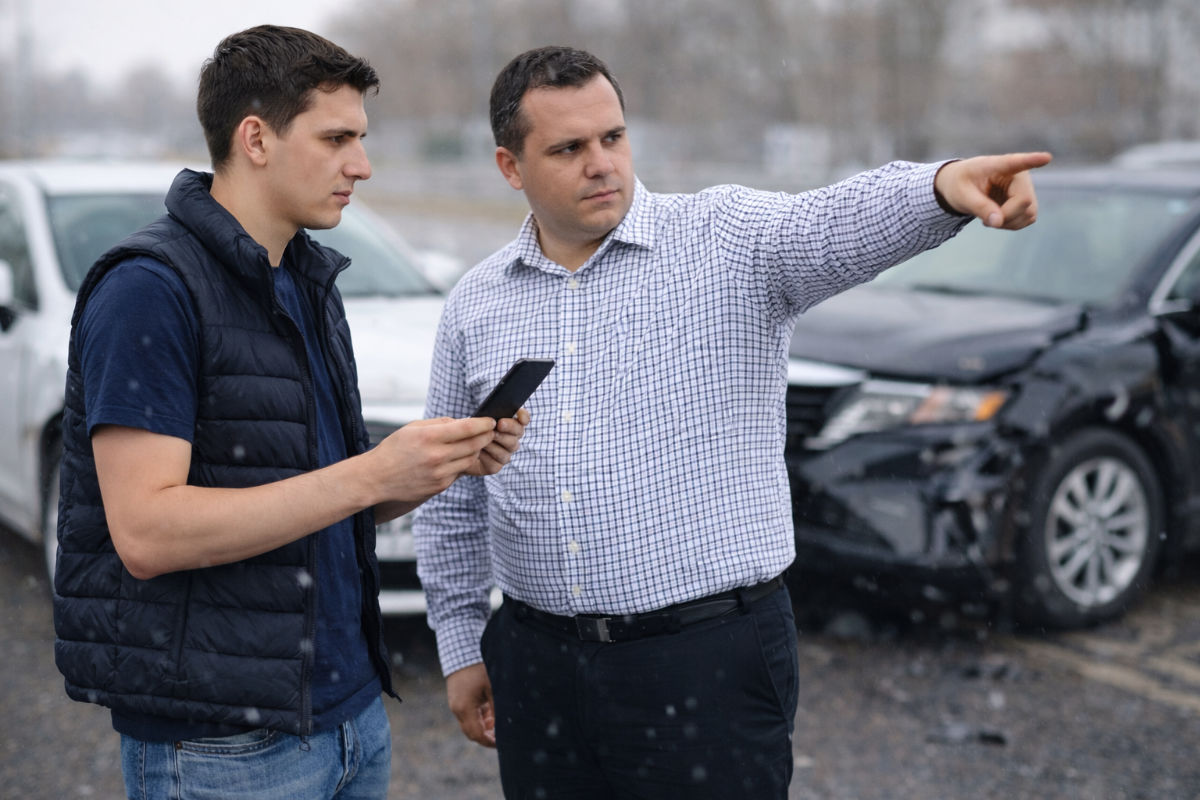
If you are physically able and the scene is safe, speaking with witnesses shortly after an accident is often appropriate. The key is to approach the interaction calmly and respectfully. Witnesses are helping you, not serving as investigators.
Here are some important best practices to follow:
- Ask politely and briefly: Introduce yourself and explain that you were involved in the accident, then ask if they are willing to share what they saw.
- Collect basic contact information: Obtain names and phone numbers so your attorney or insurer can follow up later.
- Write down observations promptly: Note what the witness said as soon as possible, while the details are still clear.
- Encourage honesty, not conclusions: Ask what they observed, not who they think caused the accident.
These steps preserve valuable information without pressuring witnesses or compromising the integrity of their statements.
The Don’ts That Can Undermine Your Case
Even with good intentions, it is easy to make mistakes when gathering witness statements. Certain actions can weaken your claim or give insurers grounds to challenge credibility.
Avoid the following common pitfalls:
- Do not coach or suggest answers: Leading questions can make statements appear unreliable or biased.
- Do not argue about fault: Disagreements at the scene may discourage witnesses from cooperating.
- Do not ask for written statements immediately: Many witnesses are uncomfortable providing formal statements without guidance.
- Do not ignore witnesses who seem uncertain: Partial observations may still be helpful when combined with other evidence.
Witness statements are most effective when they reflect genuine, unprompted recollections. Preserving that authenticity matters later.
Can I Gather Witness Statements Myself?
Yes, you are generally allowed to gather witness information and informal statements yourself after a car accident. In fact, doing so can be helpful when police officers are unable to speak with every bystander. However, there are important limits to keep in mind.
Your role is to document, not investigate. You should never pressure a witness or imply legal consequences. Simply asking what they observed and recording their response is sufficient. In Nebraska and Iowa, informal notes taken at the scene can later support formal statements gathered by attorneys or insurance adjusters.
That said, self-gathered statements are not a substitute for professional investigation. Attorneys know how to follow up properly, request sworn statements when appropriate, and ensure compliance with evidentiary rules. Think of your efforts as preserving leads rather than building the entire case.
Can I Use My Phone to Get a Video Statement?
Using your phone to record a brief video statement can be helpful, but it must be done carefully. Video captures tone, timing, and demeanor, which can add context to a witness’s account. However, improper recording can raise legal and practical concerns.
Nebraska and Iowa are generally one-party consent states for recordings, meaning you can record a conversation if you are a participant. Even so, it is best practice to ask permission before recording. This builds trust and avoids later disputes.
If you choose to record a video statement, keep it simple. Ask the witness to describe what they saw, when they saw it, and where they were standing. Avoid discussing fault or injuries. Short, factual recordings tend to be more credible and easier for attorneys to use later.
How Witness Statements Fit Into the Legal Claims Process
Witness statements are rarely used in isolation. They are one part of a broader evidentiary picture that develops over time. Understanding how they fit into the claims process helps explain why accuracy and restraint matter.
Typically, witness information is used during:
- Insurance investigations: Adjusters contact witnesses to verify accounts and assess liability.
- Attorney case preparation: Lawyers evaluate statements alongside photos, reports, and medical records.
- Settlement negotiations: Credible witness support can push insurers toward fair resolutions.
- Litigation: Witnesses may provide sworn testimony if a case goes to trial.
Errors or inconsistencies introduced early can cause delays or weaken leverage later. Clear, reliable statements streamline the process.
Why Timing and Memory Play a Critical Role
Human memory fades quickly, especially after stressful events. What a witness remembers minutes after a crash may differ from what they recall weeks later. That is why early documentation matters.
Delays can lead to uncertainty, conflicting recollections, or lost contact. Insurance companies may exploit these gaps to argue that witness accounts are unreliable. Promptly gathering contact information and basic observations reduces that risk.
This timing issue also affects settlement versus trial decisions. Cases with strong, consistent witness evidence are more likely to resolve efficiently. Those without it often face prolonged disputes and higher litigation costs.
When Police Handle Witness Statements
In many accidents, police officers gather witness statements as part of their investigation. This is helpful, but it does not guarantee that every witness is interviewed or that every detail is captured.
Officers often prioritize safety and traffic control. Some witnesses may leave before being contacted. Reviewing the police report later helps identify whether witnesses were listed and whether their accounts align with your recollection.
If witnesses are missing or statements seem incomplete, your attorney can follow up. This is another reason why gathering contact information yourself can be valuable, even when law enforcement is involved.
Contact Hauptman O’Brien Today for Smart Car Accident Evidence Handling
Witness statements can quietly shape the outcome of a car accident claim. Handled properly, they support your version of events and reinforce accountability. Handled poorly, they can introduce confusion or weaken credibility. Knowing the dos and don’ts makes a real difference.
If you were injured in a car accident and are unsure how witness statements may affect your case, let’s talk. You can call Hauptman, O’Brien Personal Injury Lawyers at (402) 241-5020 or request a free case review online. With offices across Omaha, South Omaha, Bellevue, Lincoln, Council Bluffs, and Sioux City, our team understands how Nebraska and Iowa claims are built from the ground up.
When evidence matters and details count, Hauptman O’Brien is here to help protect your rights and guide you forward with confidence!