


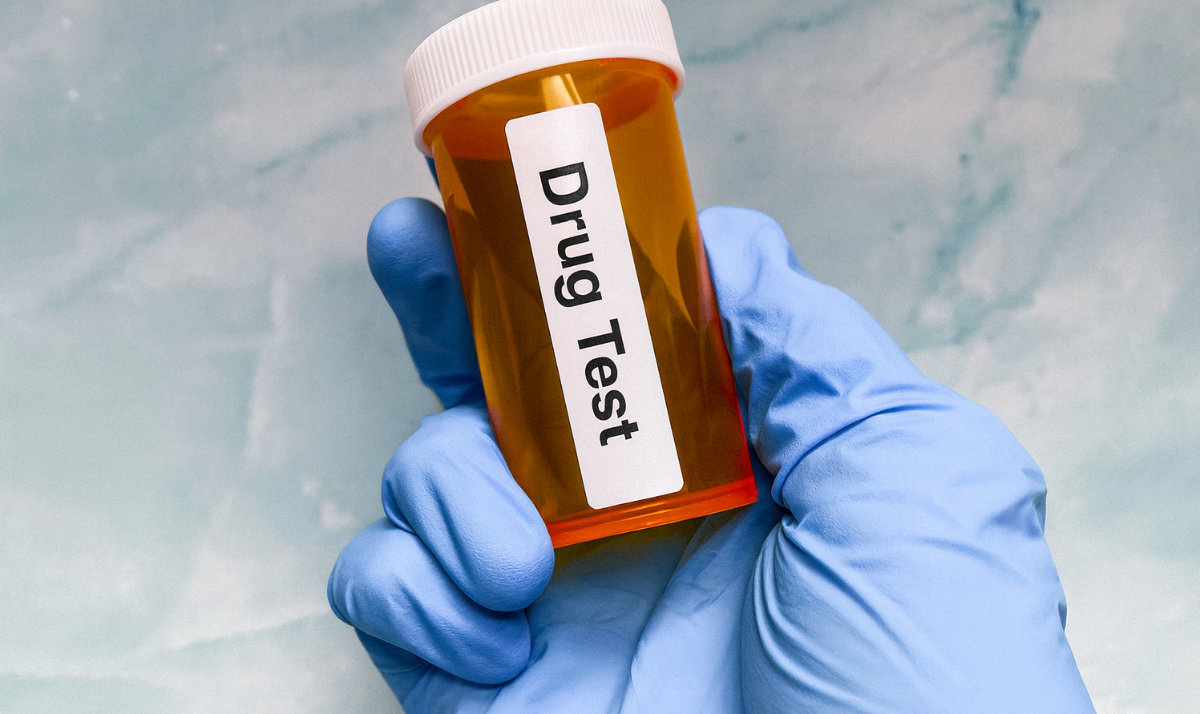
Truck accidents continue to be a major safety concern across the country. According to the Federal Motor Carrier Safety Administration, more than 5,700 large trucks were involved in fatal crashes in 2021, the highest number in decades. Nebraska experiences its share of these collisions each year, often resulting in significant injuries for the drivers and passengers of smaller vehicles. When a commercial truck is involved, one of the first questions that arises is whether the truck driver must undergo a drug or alcohol test after the crash.
This question matters because impairment can dramatically increase the severity of an accident. It also impacts liability, evidence collection, and the strength of an injury claim. Families facing medical bills, lost income, or long-term rehabilitation need clarity on what happens behind the scenes after a truck accident.
Hauptman, O’Brien Personal Injury Lawyers supports truck accident victims throughout Nebraska and Iowa. Our attorneys help clients understand how drug testing laws work, what evidence may be available, and how this information influences the outcome of a personal injury case.
When Are Truck Drivers Required to Take a Post-Accident Drug Test?
Federal law governs many aspects of commercial truck safety, and post-accident drug testing is no exception. The FMCSA requires drug and alcohol testing for commercial truck drivers holding a CDL in specific situations. These rules ensure that evidence of impairment is accurately documented and preserved after a serious collision.
Not every crash triggers an automatic test. The requirement depends on the circumstances of the accident and whether certain conditions are met. If a crash results in a fatality, testing is mandatory. If someone is injured and receives immediate medical treatment away from the scene, or if a vehicle must be towed, testing may be required depending on whether the truck driver received a traffic citation.
These rules aim to prevent impaired commercial driving and support investigations when negligence is suspected. They also help protect victims by ensuring evidence is available when the driver’s condition is relevant to determining fault.
What Types of Drug and Alcohol Tests Are Required?
Drug and alcohol testing for commercial drivers follows strict FMCSA standards. These tests are designed to detect both current impairment and the presence of illegal substances or prohibited medications. Employers must conduct the testing promptly and through certified laboratories to ensure accuracy.
Testing may include:
- Breath alcohol tests
- Urinalysis for controlled substances
- Follow-up confirmatory testing depending on initial results
- Samples collected under observed conditions if tampering is suspected
- Testing for substances such as marijuana, cocaine, opioids, amphetamines, and PCP
- Split sample procedures that allow independent re-testing
- Collection protocols designed to prevent contamination or substitution
These tests provide a documented snapshot of a truck driver’s condition after a collision. When you are pursuing a personal injury claim, the results can be critical evidence, especially if impairment contributed to the accident.
Who Orders the Post-Accident Drug Test?
Responsibility for arranging post-accident drug testing falls on the trucking company or the employer of the commercial driver. They must follow FMCSA guidelines carefully and ensure that testing is completed within the mandated timelines. Failure to do so can result in penalties for the company and potential liability in civil cases.
Employers must ensure testing is performed when:
- The accident meets the criteria for mandatory testing
- The driver receives a related traffic citation
- The incident involves a fatality
- Injuries require transport for medical care
- A commercial vehicle is disabled and needs towing
- Reasonable suspicion exists that the driver may have been impaired
Some victims assume that police automatically conduct the test. While law enforcement may order testing in certain cases, FMCSA rules place the burden on the trucking company. This is one reason why legal representation is extremely valuable. Your attorney can ensure that the required testing was performed and investigate whether the company followed proper procedures.
When Does Post-Accident Testing Need to Be Done?
Timelines for testing are not flexible. The FMCSA wants to prevent delays that could allow alcohol or drugs to leave a driver’s system. For alcohol testing, employers must attempt to test the driver within two hours of the accident. If testing cannot be completed within that time, they must document the reason. After eight hours, alcohol testing may no longer be conducted.
Drug testing operates on a slightly longer timeline. The employer must collect a urine sample within 32 hours of the crash. If they are unable to meet this requirement, they must explain the delay in writing. These deadlines exist to protect the accuracy and integrity of the results.
For victims, these rules help ensure that crucial evidence is preserved. When a lawyer reviews your case, one of the first steps is often to verify whether the employer met their drug testing obligations and whether the results were properly recorded.
Can a Truck Driver Be Subpoenaed for a Drug Test After an Accident?
Occasionally, a situation arises where an employer does not conduct testing when it should have, or there is a dispute about whether testing occurred at all. In those cases, victims and their attorneys may seek a subpoena to access drug testing records or compel additional testing.
This typically happens when:
- The trucking company refuses to release test results
- The employer failed to follow FMCSA post-accident testing rules
- There is evidence that the company attempted to conceal or delay testing
- The victim’s injuries are severe and impairment is strongly suspected
- Conflicting reports exist regarding the driver’s behavior at the scene
Courts can order the release of drug testing records during litigation. However, compelling new testing after the initial window is rare because substances may no longer be detectable. This is why prompt legal involvement is important. Hauptman, O’Brien can send preservation letters, demand evidence, and take steps to prevent records from being lost or destroyed.
When Testing Is Required and When It Is Not
Although federal regulations provide clear guidance, many drivers and injury victims do not realize that not every crash requires testing. Understanding when testing is mandatory can help clarify what evidence may be available for your case.
Fatal Accidents
Any fatal accident involving a commercial vehicle triggers automatic testing. This rule applies whether the truck driver appears impaired or not. The loss of life alone is enough to require thorough investigation.
Accidents Involving Medical Treatment
If someone is transported for medical care and the truck driver receives a citation, drug and alcohol testing is required. If the driver does not receive a citation, testing may not be mandated.
Accidents Involving Towed Vehicles
If a vehicle must be towed due to disabling damage and the truck driver receives a related citation, mandatory testing applies. If no citation is issued, the employer may not be legally required to test, though some companies test voluntarily.
These rules create a structured framework. But they also leave gaps where evidence may be lost unless a skilled attorney intervenes quickly.
How Drug Test Results Can Strengthen Your Injury Case
For victims of truck accidents, drug and alcohol testing can play a major role in establishing liability. Impairment is one of the strongest indicators of negligence, and evidence of drug use can influence settlement negotiations and trial outcomes. Even if impairment is not proven, inconsistencies in testing procedures can raise questions about compliance or safety practices within the trucking company.
Drug test results may help your case by:
- Demonstrating the driver was under the influence at the time of the crash
- Showing the trucking company failed to meet safety obligations
- Supporting claims of punitive damages in extreme cases
- Providing leverage during insurance negotiations
- Highlighting poor hiring or training practices
- Revealing past violations that support a pattern of misconduct
When combined with accident reconstruction, medical evidence, and driver logs, drug test results help paint a clear picture of what went wrong on the road.
Is Post-Accident Drug Testing Automatic?
Many people assume that every truck accident triggers immediate testing. In reality, testing is not always automatic. FMCSA rules create thresholds, and employers are responsible for following them correctly. Some companies voluntarily test after any collision, while others test only when legally required.
This inconsistency can influence your case. If testing should have occurred and did not, it may suggest negligence by the employer. If testing did occur but the results were withheld, your attorney can pursue legal remedies to obtain the information.
Hauptman, O’Brien examines these issues closely in every truck accident case. The goal is to ensure no crucial evidence is hidden or overlooked.
Seek Legal Guidance From Our Experienced Truck Accident Attorneys
If you have been injured in a truck accident, understanding drug testing laws can help you protect your rights. These cases involve complex regulations, multiple parties, and aggressive insurance companies. You should not have to navigate these issues alone.
Hauptman, O’Brien Personal Injury Lawyers has decades of experience handling truck accident claims throughout Nebraska and Iowa. Our team knows how to investigate commercial vehicle crashes, preserve essential evidence, and build strong cases for full compensation. Contact us today for a free consultation and let us help you move forward with confidence.







This was the 1st time I’ve ever had to use this type of service. Hands down would recommend this team for all your injury needs. They were professional, made sure everything was understood and was by my side step by step. I really felt like they were in my corner at all times!
Kathryn Hartnett went above and beyond to meet my needs as a unexpected life change happened. Everyone from the front desk to the back where amazing! Thank you so much!