



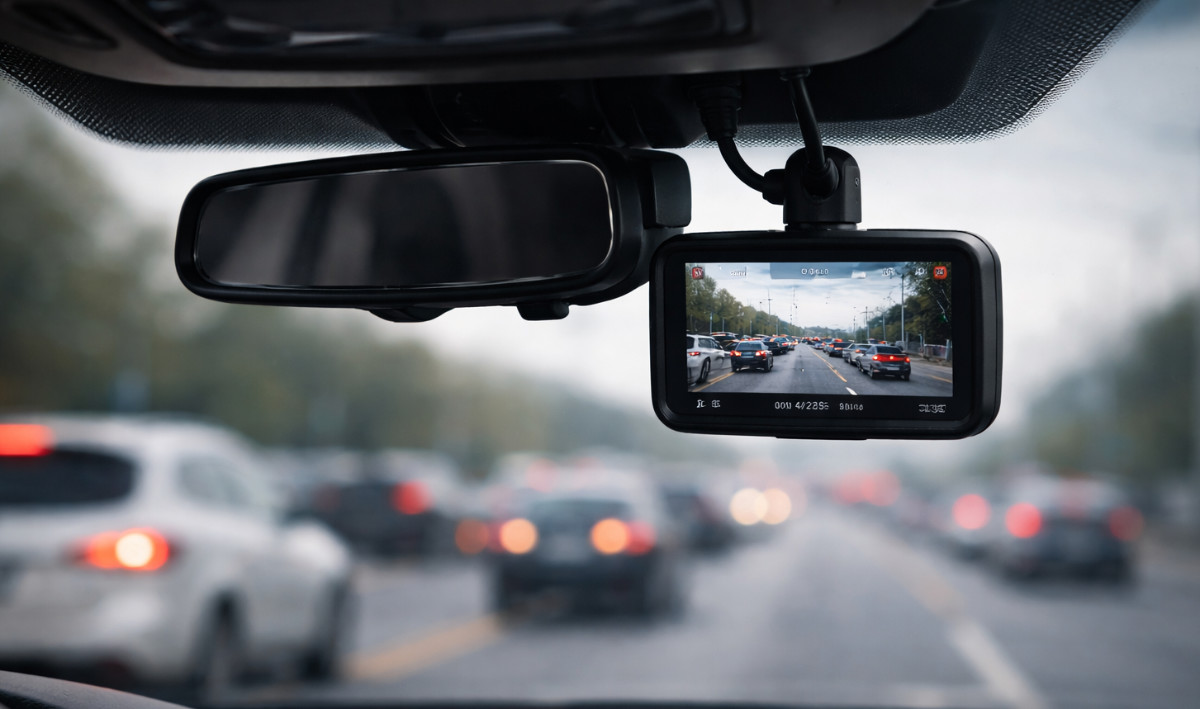
Dash cameras are everywhere now. They are mounted on windshields, tucked behind rearview mirrors, and quietly recording daily commutes across Nebraska and Iowa. For many drivers, a dash cam feels like a layer of protection, something that can capture the truth if a crash happens. And in many cases, that instinct is right.
But dash cam footage is not automatically helpful. In a personal injury claim, video evidence can strengthen your case, weaken it, or change its direction entirely. Understanding how dash cam footage is evaluated, preserved, and used by insurance companies and courts is essential if you want it to work in your favor rather than against you.
What Dash Cam Footage Actually Shows (And What It Does Not)
Dash cams tend to feel comprehensive, but they are limited by design. Most cameras capture a fixed angle from the front of the vehicle, sometimes with an interior-facing lens or a rear camera. That means they show a slice of the event, not the whole picture.
When dash cam footage is clear, it can document speed, traffic signals, lane positioning, and sudden maneuvers. It may also capture weather conditions or visibility issues that help explain why a crash occurred. In those situations, the footage becomes a powerful factual anchor in an injury claim.
However, dash cams do not capture:
- Pain, force, or the full severity of impact
- What happens outside the camera’s field of view
- Mechanical failures inside another vehicle
- Distracted behavior that occurs off-camera
This is where people sometimes misunderstand their own footage. A video clip might show a low-speed collision, but that does not mean the injuries were minor. Soft tissue injuries, traumatic brain injuries, and spinal damage often do not look dramatic on video. Insurance companies know this and will sometimes use footage selectively to downplay injuries.
The key is context. Dash cam footage rarely stands alone; it must be interpreted alongside medical records, crash analysis, and witness statements.
How Dash Cam Video Can Strengthen a Personal Injury Claim
When used properly, dash cam footage can be one of the most persuasive forms of evidence in a motor vehicle accident case. It removes ambiguity and reduces the “your word versus theirs” dynamic that insurers rely on.
Dash cam video can help by:
- Showing another driver running a red light or stop sign
- Capturing unsafe lane changes or aggressive driving
- Establishing the timing of events leading up to the crash
- Supporting a police report or contradicting an inaccurate one
- Disproving false claims made by the at-fault driver
In Nebraska and Iowa, fault matters. Nebraska follows a modified comparative negligence system, while Iowa uses a comparative fault approach that still reduces compensation if you share blame. Video evidence can directly influence how fault percentages are assigned, which in turn affects the value of your claim.
From a negotiation standpoint, insurers are more likely to make reasonable settlement offers when they know a jury could see the footage. Clear video often shortens disputes and reduces delays because it narrows the arguments early in the process.
When Dash Cam Footage Can Hurt Your Case
Dash cam footage cuts both ways. The same objectivity that makes it powerful can also expose mistakes you did not realize you made. Insurance adjusters and defense attorneys review footage frame by frame, looking for anything that shifts blame.
Footage can hurt a claim if it shows:
- Speeding or aggressive driving before impact
- Rolling through a stop sign or yellow light
- Distracted behavior, such as phone use visible in reflection
- Failure to brake or take evasive action
- Inconsistent statements compared to what the video shows
Even small details matter. A brief lapse or technical violation can be magnified into an argument that you were partially at fault. In Nebraska, that matters because reaching 50% fault can bar recovery altogether.
Another issue is commentary. Many dash cams record audio inside the vehicle. Statements made in the heat of the moment, frustration, speculation, or casual remarks can be taken out of context later. Something as simple as “I didn’t see them” can be framed as an admission of fault.
This is why you should never assume dash cam footage is automatically safe to share without legal review.
Ownership, Disclosure, and Your Legal Obligations
A common question after a crash is whether you have to turn over your dash cam footage. The answer depends on the stage of the claim and the legal process.
Early on, you are not typically required to volunteer footage to the other driver’s insurance company. Adjusters may ask for it, but requests are not the same as legal obligations. Once a claim progresses into litigation, disclosure rules change.
During a lawsuit, dash cam footage may be subject to:
- Discovery requests
- Subpoenas
- Court orders
If footage exists and is relevant, failing to preserve or disclose it can create serious problems. Courts take evidence preservation seriously. Deleting or altering footage after a crash can lead to accusations of spoliation, which may result in sanctions or negative inferences.
This creates a delicate balance. You want to preserve the footage, but you also want to avoid handing over material that has not been reviewed strategically. This is where legal guidance becomes critical.
Steps to Take If You Have Dash Cam Footage After a Crash
If you were involved in an accident and your dash cam recorded it, what you do next matters almost as much as what the camera captured.
Here are practical steps to protect yourself and your claim:
- Secure the original file immediately and create a backup
- Do not edit, trim, or annotate the footage
- Avoid sharing the video on social media or with third parties
- Do not provide copies to insurance companies without legal advice
- Note the date, time, and device used to record the footage
- Preserve the memory card or storage device if possible
Preservation is about credibility. A clean, unaltered file is far more defensible than a clip that has been edited or converted multiple times. Even innocent changes can open the door to arguments that the footage was manipulated.
It is also wise to write down your own recollection of the crash while it is fresh, before reviewing the video repeatedly. This helps avoid unintentional changes in memory that can later be questioned.
How Dash Cam Footage Is Used During Settlement Negotiations
Most injury claims resolve through settlement rather than trial. Dash cam footage plays a different role at this stage than it would in a courtroom.
In settlement negotiations, video is leverage. Insurers evaluate risk, not fairness. If the footage clearly shows their insured driver causing the crash, their risk increases, and so does their willingness to settle.
However, if footage shows mixed fault, insurers may:
- Argue for reduced compensation
- Delay negotiations while investigating further
- Push for a quicker, lower settlement
This is where experienced legal representation matters. Our car accident attorneys understand how to frame footage, explain what it does and does not show, and counter attempts to oversimplify complex injuries.
Settlement discussions often involve comparison:
- Clear video + consistent medical records often leads to faster resolution
- Ambiguous video + disputed injuries may lead to extended negotiations or litigation
The goal is not just to show a crash happened, but to connect the crash to your injuries and losses in a way that holds up under scrutiny.
Dash Cam Footage at Trial: Powerful, But Not Absolute
If a case goes to trial, dash cam footage can be compelling. Jurors tend to trust what they can see. A short clip can communicate more effectively than hours of testimony.
That said, video is not infallible. At trial, opposing counsel may challenge:
- Camera angle limitations
- Video quality or frame rate
- Gaps in recording
- Lack of context before or after the clip
- Interpretation of speed or distance
Judges and juries are instructed to weigh video alongside other evidence. Medical testimony, accident reconstruction, and expert analysis still matter. A video that appears simple on the surface can raise complex questions when examined closely.
This is why trial preparation often includes careful decisions about when and how to use footage. Sometimes showing the video helps; other times, it may distract from stronger evidence.
Dash Cam Laws and Privacy Considerations in Nebraska and Iowa
Dash cams are legal in Nebraska and Iowa, but there are rules to be aware of. Cameras must not obstruct the driver’s view, and audio recording raises additional concerns.
Both states generally follow one-party consent rules for audio recording, meaning you can record conversations you are part of. However, passengers may not expect to be recorded, and posting audio publicly can create privacy issues.
From a claims perspective, legality matters because illegally obtained evidence may be excluded or create complications. A camera mounted improperly or recording audio without proper consent can give the defense another angle to attack your evidence.
Understanding these nuances helps avoid turning helpful footage into a legal headache.
Get in Touch With an Attorney Before Dash Cam Footage Becomes a Liability
Dash cam footage can be one of your strongest allies or one of your biggest risks after a serious accident. The difference often comes down to timing, preservation, and legal strategy. Before footage is shared, deleted, or misunderstood, it should be reviewed with your broader claim in mind.
If you were injured in a crash and have dash cam footage, Hauptman, O’Brien Personal Injury Lawyers can help you understand how that evidence affects your case. With offices in Omaha, South Omaha, Bellevue, Lincoln, Council Bluffs, and Sioux City, the firm serves clients across Nebraska and Iowa with prompt responsiveness and personal service.
Hauptman O’Brien brings over 268 years of combined legal experience to injury cases involving car accidents, truck accidents, motorcycle crashes, and catastrophic injuries. The legal team can evaluate your footage, advise you on disclosure, and integrate it into a strategy designed to protect your rights and your future.
If you have questions about dash cam evidence or your injury claim, schedule a free case review or call us at (402) 241-5020 and get clear guidance before the footage works against you.


